

Until the 21st century, contemporary African art was treated by the Western art world as a periphery, a curiosity to be discovered, an exotic “Other.” Today, however, it no longer occupies a marginal position: in recent years, it has become an equal and indispensable shaper of international contemporary art, an integral part of the canon, while it also continues to redefine the questions, emphases and perspectives of the global scene.
One of the great paradoxes of 20th-century European modernism was that, although it drew heavily on worlds outside Europe, it mostly put these influences in the service of its own artistic revolution, while the true stories behind the objects were often eclipsed by the narrative of the Western artist’s genius. (Consider only Picasso’s formal idiom, which draws on African masks and sculptural traditions, or Gauguin’s exoticized view of Tahiti.)
One of the ambitions of today’s contemporary African art is to return this Eurocentric gaze. Contemporary African art is not merely a set of motifs, not an “ancient” source of inspiration or exotic counterpoint, but an autonomous artistic space that is now completely part of the global canon.
At the same time, it is important to note that “contemporary African art” does not denote a single, unified style. The art of the continent will appear as a homogeneous cultural space only to the Eurocentric gaze, whereas, in reality, it is a blanket term for an extremely wide range of historical, social, linguistic, religious and political experiences. For the same reason, what makes contemporary African art exciting is not its use of recognizably “African” motifs. And therein lies its inspirational power: beyond contributing another style to global art, it expands fundamental thinking about the contemporary experience and the canon itself.
Contemporary African art does not seek to conform to an established system, and when it raises different questions about the world in which we live, it elicits a reconsideration of the system itself. Nevertheless, if we still wish to pinpoint distinctive characteristics, a particular and radical relationship to the use of materials comes to mind. For many African artists, the material is not neutral, but appears as a medium steeped in stories. Often, the medium or the materials used have had a previous life: they have been worn, used, touched, handed down, transported, sold or lost. Thus, in many African works, the medium or material acts as a witness: it preserves a piece of personal and collective memory.
From a distance, there is a jewel-like quality to the monumental, gleaming, radiant surfaces that the Ghanaian artist El Anatsui constructs from metal and that hang in loose folds like drapery, but on closer inspection, they turn out to be made up of small, recycled bottle caps. These works evoke the textile traditions of West Africa, but also reflect on colonialism, global consumption, urban survival and the ecological crisis. The compositions of the Zimbabwean Moffat Takadiwa, which resemble woven textiles or ritual objects, act in a similar manner, made as they are from pieces of plastic, keyboards, caps, combs, toothbrushes and other consumer waste collected in Harare.
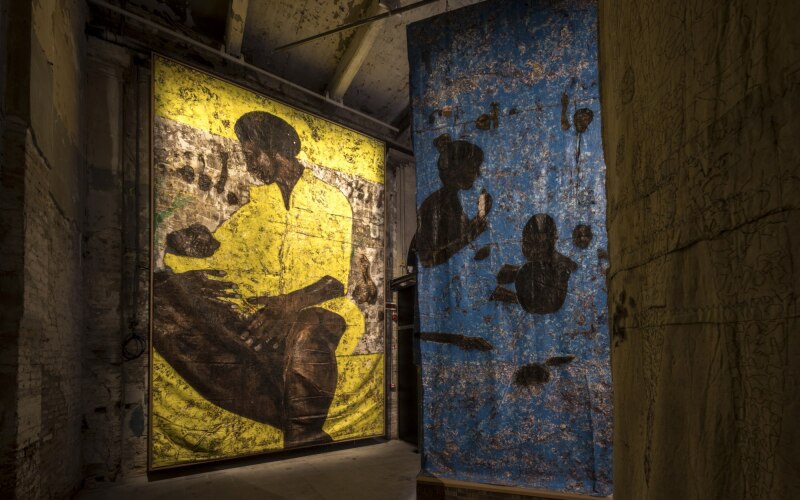
The Kenyan Michael Armitage paints on lubugo, a bark cloth made in Uganda, which is more fragile, fibrous and alive than canvas, and is closely linked to East African traditions. Kaloki Nyamai, also from Kenya, expands the boundaries of classical painting using textiles, rope, sisal, newspaper, photo transfers and thread. His works “weave together” personal memories, knowledge that spans generations, and the sociopolitical tensions of East Africa.
The Ghanaian Amoako Boafo is a portraitist who applies paint with his fingers, leaving the mark of his touch on faces and bodies, which lends immediacy and physicality to his figures and a strong tactile quality to the faces. Many African artists, including Georgina Maxim from Zimbabwe, use old textiles and discarded garments: the works created by layering these are at once related to female experiences, work and service, memory and ritual.
Contemporary African art is also liberating because it is not ashamed to take the invisible seriously. The works often have a ritual character: they remind us that, beyond political and economic structures, the present also consists of inherited stories, communal beliefs, spiritual experiences and invisible bonds. This is particularly inspiring from the perspective of a Western art scene that for a long time regarded rationality, the grand narrative and the autonomous individual as imperatives. By contrast, African artists do not adopt external or elevated viewpoints for their examination of life; they speak from the thick of it.
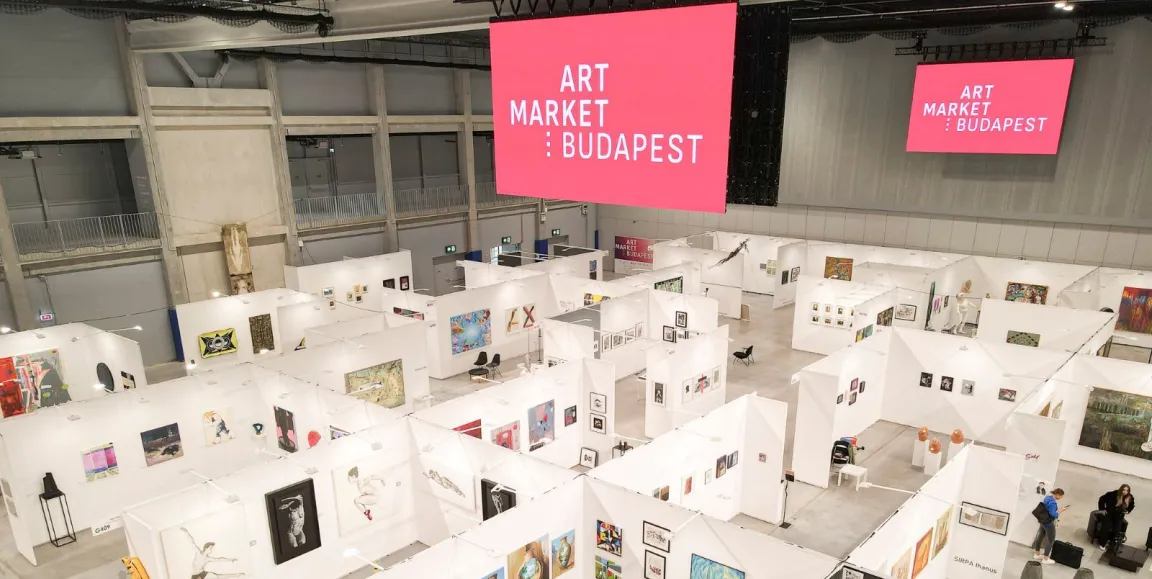
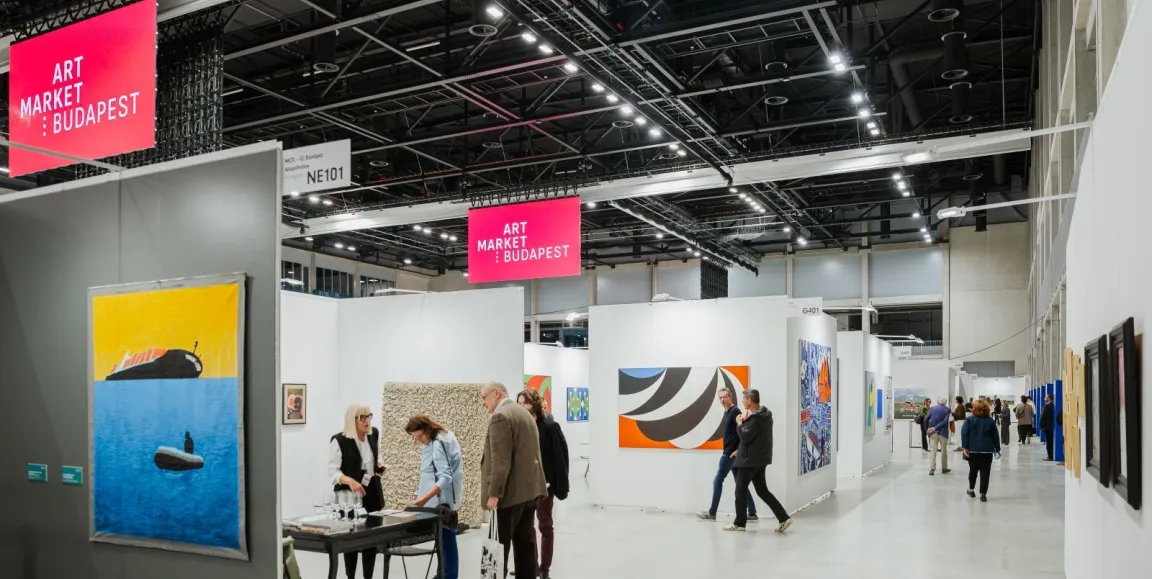
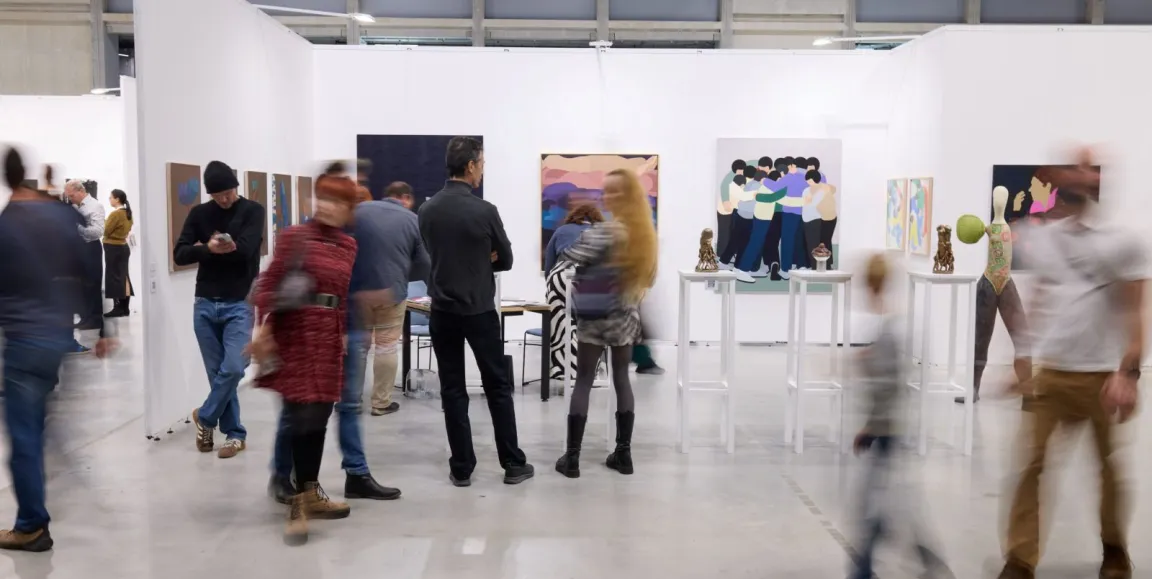
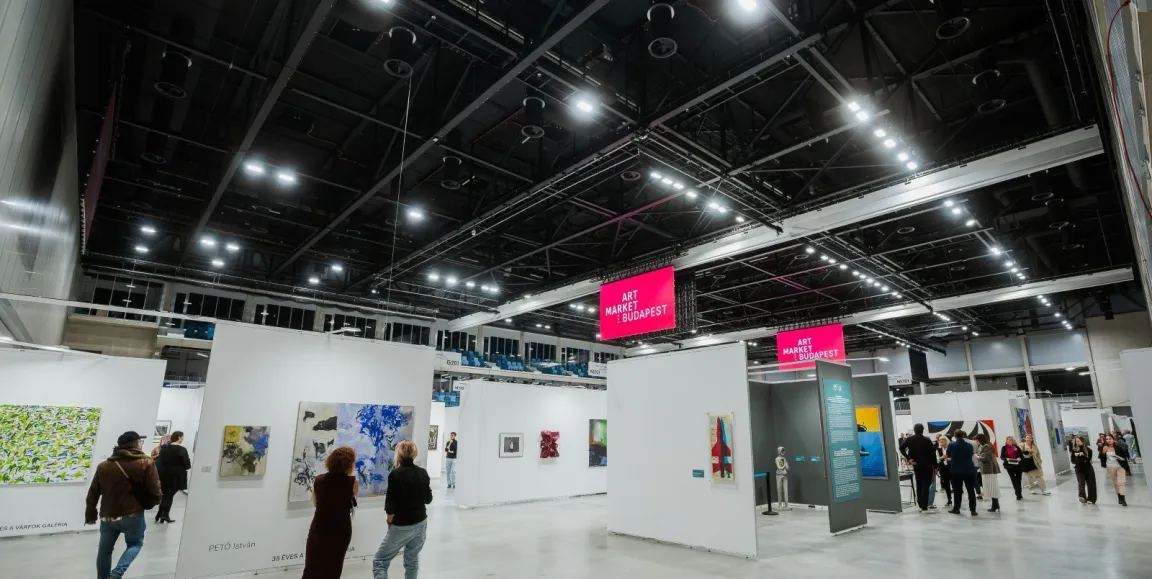
The good news is that African contemporary art is no longer waiting for the Western institutional network to notice it, as it has spawned its own institutions, fairs, biennials and professional networks. The Hungarian audience can get a glimpse of the works of contemporary African artists at the Art Market, an event of Liszt Fest. This, unfortunately, still does not mean that inequalities have disappeared. There remains a significant imbalance in terms of access to funding, infrastructure, visas, transport, institutional links and international recognition, and consequently the presence of contemporary African art is still a political issue: it is also about who is able to have their voice heard, from where and under what conditions, and whose stories will continue to shape the history of contemporary art.
The article was originally published in the 2026 edition of Liszt Fest Magazine.
Lead photo: Kaloki Nyamai: Untitled I, 2025 / Photo: Marco Zorzanello / Courtesy: La Biennale di Venezia