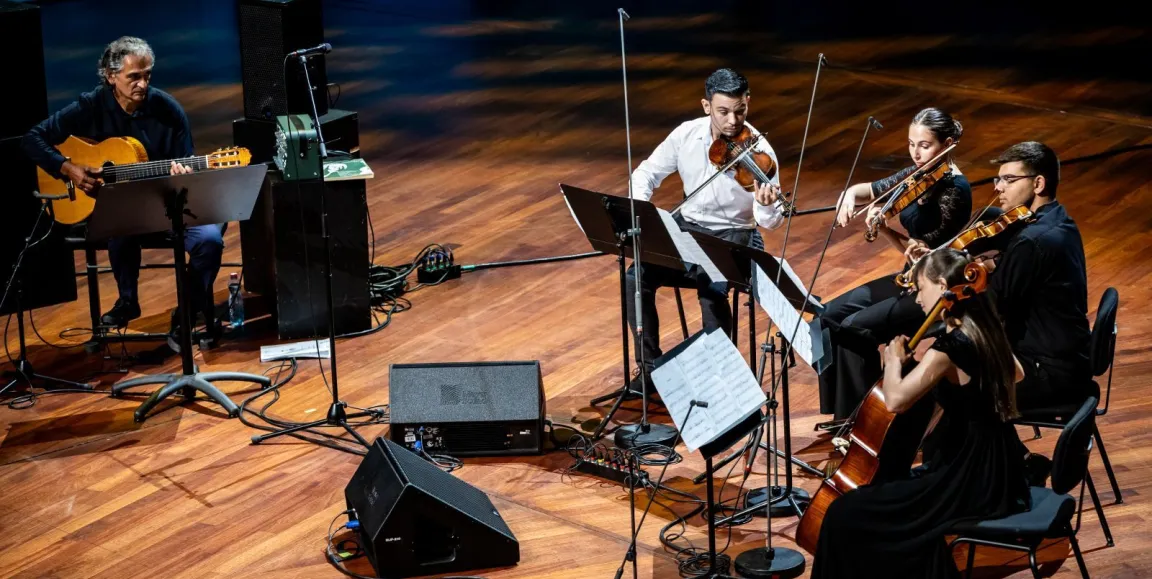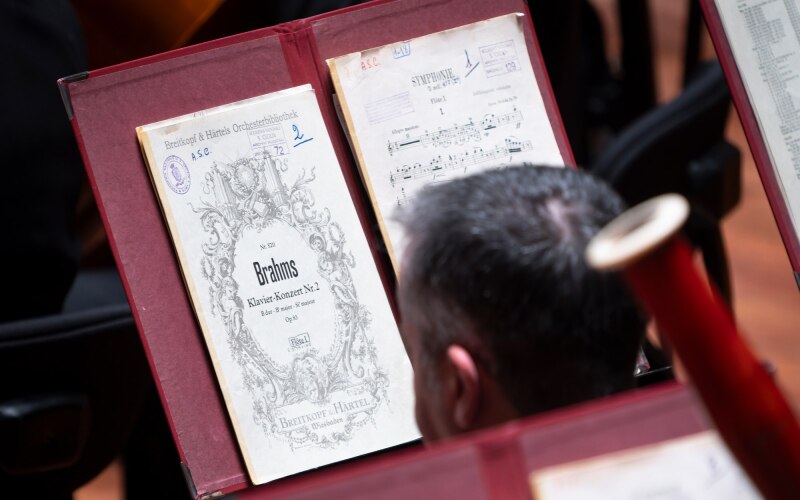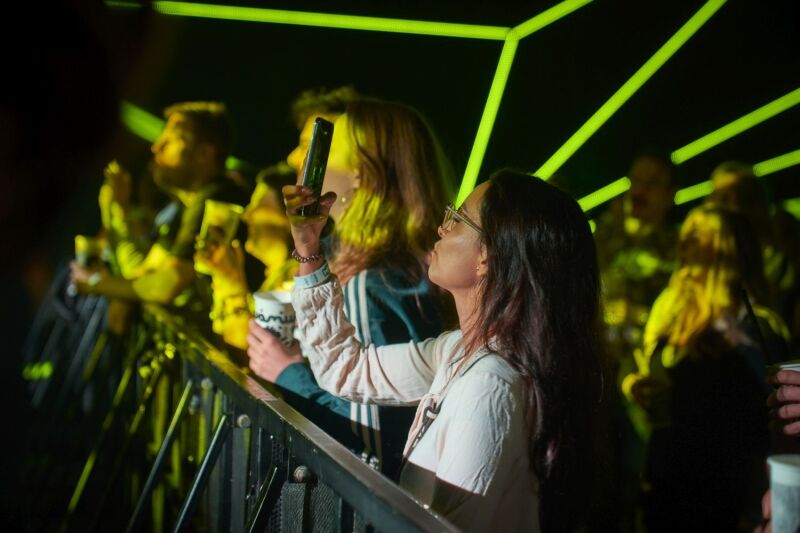


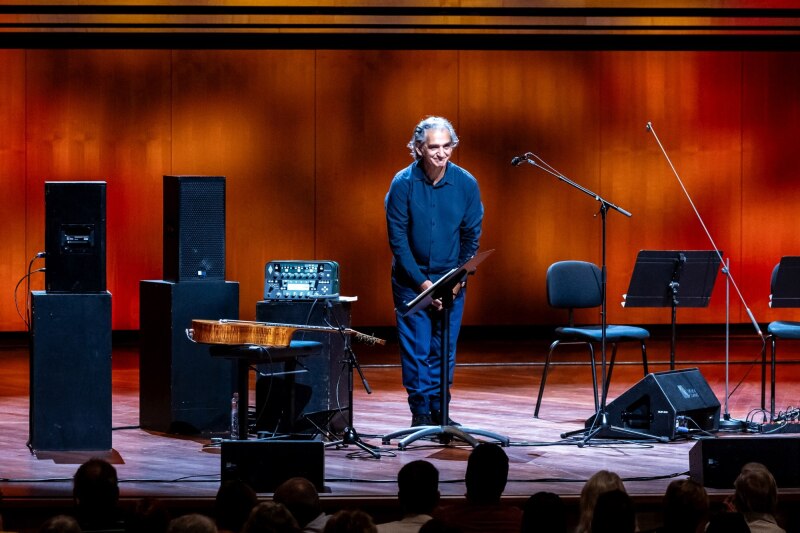
For Ferenc Snétberger, it is first-hand knowledge that talent is insufficient in itself and you need someone to notice it, as well as conditions to develop your skills. This knowledge informs the Talent Centre, which the guitarist founded in 2011 and which offers high-quality musical training to young artists, many of whom come from disadvantaged backgrounds. The programme is very effective thanks to its intensive workshops, where personalised training and making music together reinforce each other. There have been over 300 graduates to date, most of whom continued with their musical studies or work as musicians. Let’s take a look at the careers of some of the centre’s exceptionally talented former pupils!
Zsolt Farkas
He began playing the piano at the age of five in Rožňava, Slovakia, but after mastering the basics of classical music, he soon turned to jazz. He was in the tenth form at the Miskolc Conservatoire when he joined the Snétberger Centre in 2012, studying with Árpád Oláh Tzumo, Péter Rozsnyói and Béla Szakcsi Lakatos Jr, though the time spent making music and listening to music together between lessons meant just as much to him. He remembers these courses as a formative period, both musically and personally. He later graduated from the jazz piano programme of the Liszt Academy of Music and gave concerts in many places, from London to Tel Aviv and Oslo. He now comes to Felsőörs as a teacher, while also teaching in Szentendre and Vecsés. His attachment to the Centre has a very personal element to it because this was where he met his future wife.
Géza Jónás
Born into a family of musicians, he first learned to play the violin before switching to double bass at the age of twelve. He was almost a beginner when at thirteen he started to attend the Snétberger Centre, where, he says, he would acquire the musical foundations he still keeps building on. He went on to win the Pege Aladár Jazz Double Bass Competition and demonstrated his versatility in a number of ensembles. Nowadays, he too returns to Felsőörs as a teacher: he gives music lessons, often teaching with a guitar or bass guitar in hand. He believes it is important that the pupils learn that making music together also involves acting responsibly towards the others.
Máté Balogh
It took a Cannonball Adderley recording for Máté Balogh to truly fall in love with jazz. He started to play the saxophone in Siklós, and came to the Snétberger Centre in 2019. He now studies at the jazz programme of the Liszt Academy of Music. He has ‘developed incredibly’ since his time at the Centre, says Ferenc Snétberger. In 2024, the audience voted him Young Jazz Talent of the Year; in 2026 he received a Hungarian Jazz Award; and he now regularly performs alongside his former master.
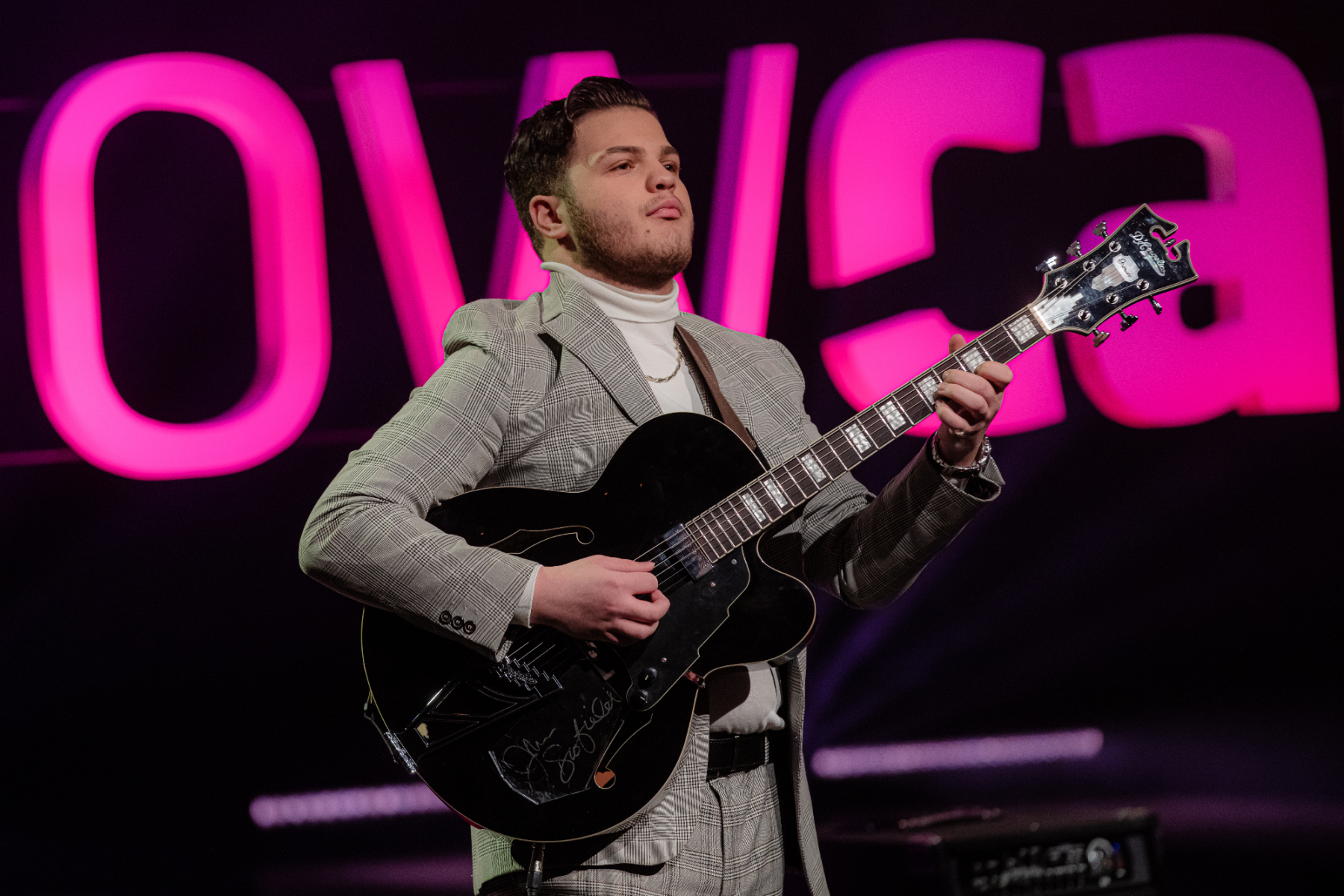 Fabio Fehér at the 2021 Jazz Showcase © Csibi Szilvia, Müpa
Fábió Fehér
‘I’m constantly playing the guitar even in my head,’ says Fábió Fehér, for whom football was a viable alternative to music when he was a child. He received his first guitar from his father when he was eleven; he later became a student at the Snétberger Centre, and at the age of eighteen, he was performing at the Müpa Jazz Showcase. In 2024, he won the first Babos Guitar Competition and formed his own band. For him, jazz is about freedom, above all.
Béla Lakatos
Béla Lakatos was nine years old when he spotted a clarinet lying on a table at a relative’s house. He liked it so much that his father soon enrolled him in music school. He came to Snétberger Centre as a classical musician, although he did waver a bit at the camp: for a while, he strayed into the world of jazz and even formed a band. However, it soon became clear that he could not devote himself fully to two genres at once, so he stuck with the classical clarinet. Yet his foray into jazz has not been for nothing: he has maintained ever since that it is beneficial for a classical musician to get a taste of other genres, as they broaden their thinking. He has participated with success at the National Clarinet Competition several times, both as a finalist and as a special prize winner. He is due to graduate from the Liszt Academy of Music this spring; in the meantime, he is saving up for his own instrument: he gives concerts and teaches private pupils, and the Centre is already counting on him as a teacher.
Ali Jian
The first in his family to choose a career in music, she began playing the violin at the age of six. However, even as a child, she was more drawn to deeper tones and more emotional pieces, so the viola seemed an obvious choice. With a friend, she applied to the Centre, where she studied with Barna Juhász and worked with Ferenc Snétberger. As the violist of a quartet formed at the camp, she got to visit places she says she would hardly have been able to go to on her own, including playing in front of the Queen of Spain in Madrid. She is currently a student of Máté Szűcs at the University of Pécs, and her plan is to take up teaching. But first, she wants to prove herself at competitions and concerts so her future students can look up to her.
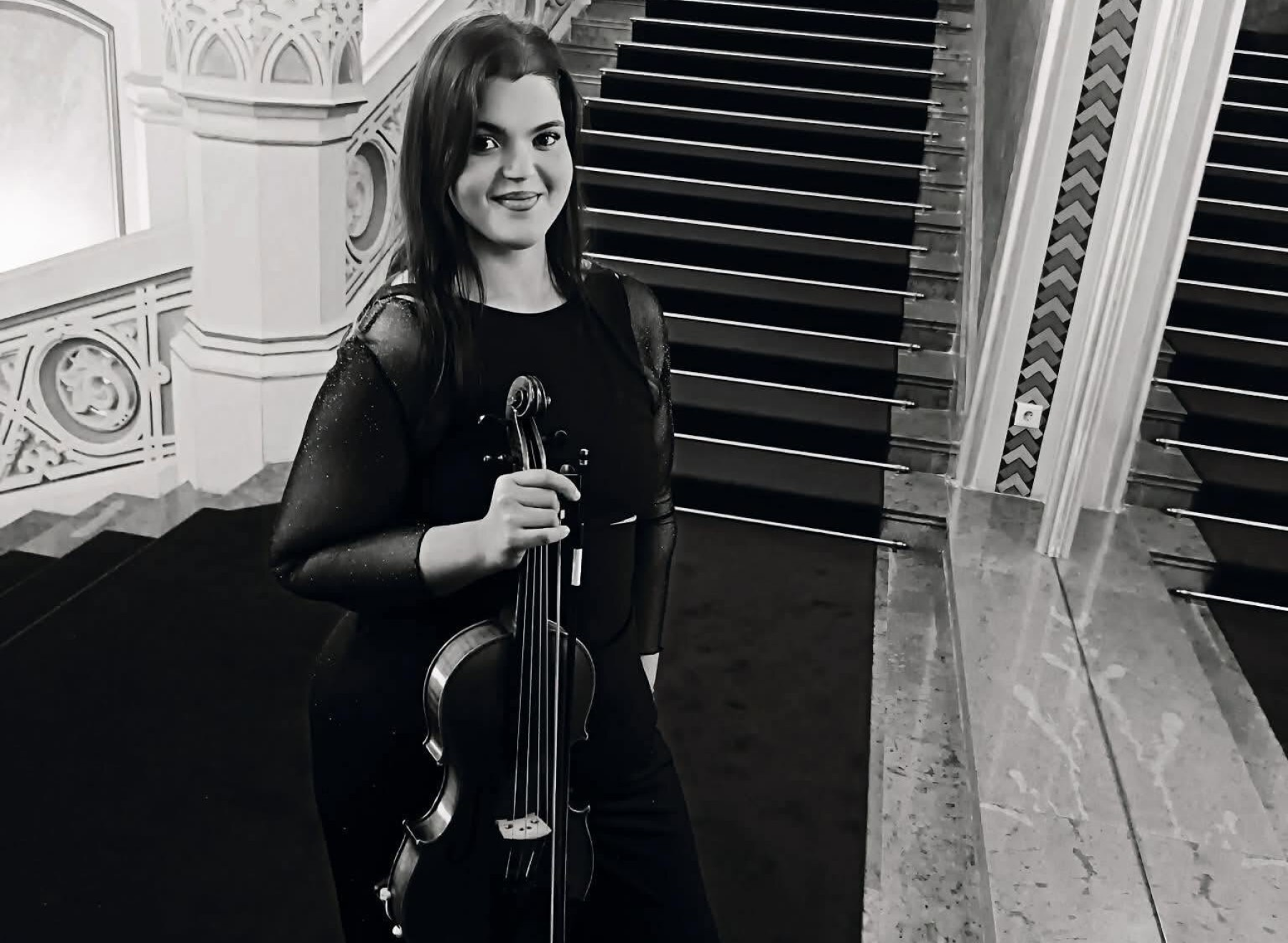 Ali Jian is currently studying at the University of Pécs (Source: Ali Jian / Facebook)
Lead photo: Bálint Hirling , Müpa Budapest