

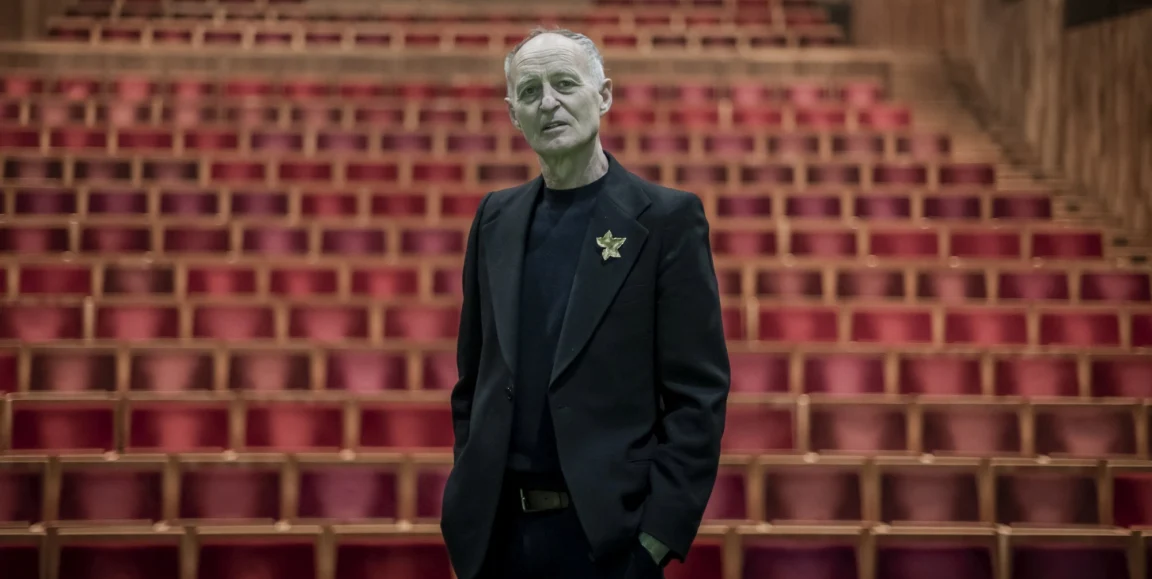
The Freedom of the Body
What does it mean to remain human in a world where being programmed is slowly overriding instinct? This is the question the Kossuth Prize-winning choreographer Pál Frenák explores in his latest work, FrenÉsie – RoadMovi(e)ng. We talked to him about creation, identity, the relationship between body and soul, and the uncertainty of the future.
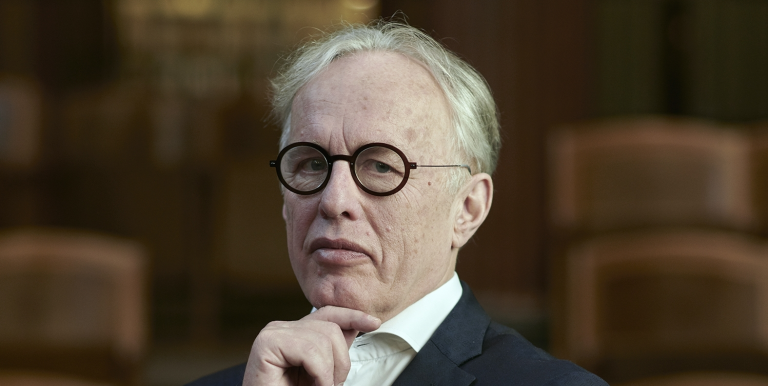
Liszt and I: Martin Haselböck
Martin Haselböck, the conductor of the closing concert of the festival recounts what Liszt’s art means for him, which works have captured his heart, and what makes the work they will perform at the festival important to them.
Liszt and I: Francesco Tristano
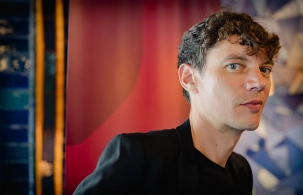
Francesco Tristano was eleven or twelve when he was introduced to the works of Franz Liszt by a pianist friend who was obsessed with the composer’s works for the instrument. He played all the Transcendental Études, which encouraged Tristano to study Liszt’s works in earnest.


Liszt and I: György Selmeczi
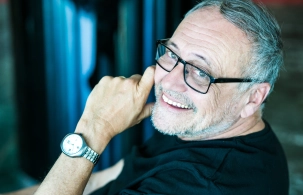
György Selmeczi’s recounts his first encounter with the art of Franz Liszt, when was he introduced to him, and why he choose that particular piece he will performe on the festival with the Orchestra of Cluj-Napoca Hungarian Opera.

Liszt and I: József Balog
In this series, distinguished artists at Liszt Fest tell us what the composer’s art means for them, which works have captured their hearts, and what makes the work they will perform at the festival important to them.