


Dedicated Ones
Hungarian women artists in the first half of the twentieth century
21 October 2026 | 10.00 am
Hungarian National Gallery


#Exhibition
Tickets can be purchased at the venue and online. For more information, visit the museum’s website.
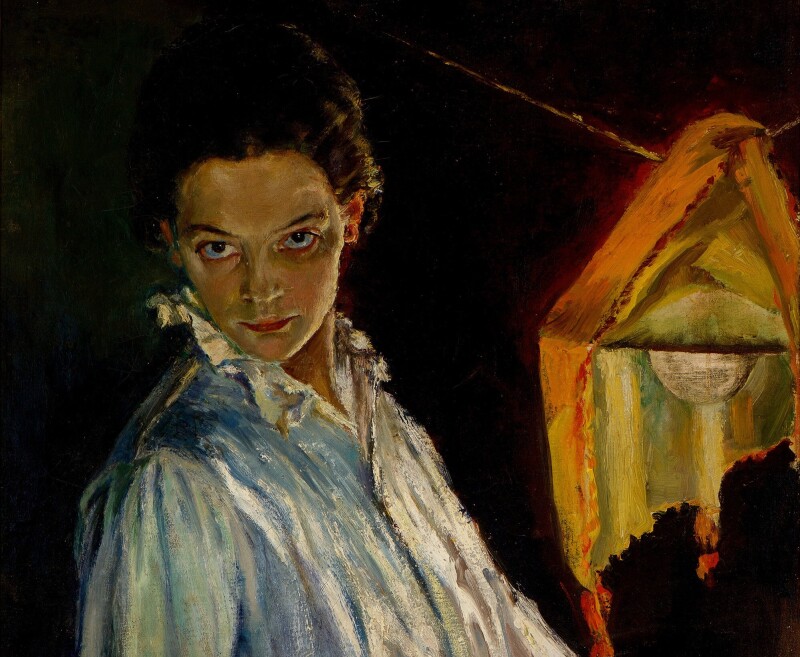
This exhibition presents a one-of-a-kind selection of artworks by Hungarian women from the first half of the 20th century, with more than 130 pieces by 60 artists arranged in chronological order and thematic groups. While women artists’ oeuvres have attracted heightened attention in recent years, the scope and multi-faceted nature of this exhibition make it a first in a Hungarian museum.
The art world of the late 19th century essentially relied on the assumption that only men could be artists, while women were, at best, amateurs. For this mindset to change, prejudices had to be eliminated and institutional barriers needed to be removed. The turn of the 19th and 20th centuries already saw several well-trained Hungarian women artists claim recognition in artist colonies, exhibitions and groups of artists, challenging the exclusivity of the ‘male genius.’
The exhibition is centred around the idea of carving out a space for oneself, both symbolically and in the physical world, with women entering the public sphere, conquering genres and techniques originally not intended for them, and expressing their artistic identity. The subjects of the works (interior scenes, nudes, portraits, mother-and-child scenes and cityscapes), made between 1900 and 1950, clearly show how the original perspectives of women differed from those of men.
The selection showcases the best-known artists (including Margit Anna, Valéria Dénes, Noémi Ferenczy, Erzsébet Forgács-Hann, Ilka Gedő, Margit Gráber, Józsa Járitz, Erzsébet Korb, Elza Kövesházi Kalmár, Anna Lesznai, Eszter Mattioni, Erzsébet Schaár, Piroska Szántó, Lili Sztehlo, Júlia Vajda and Erzsébet Vaszkó), as well as internationally renowned creators who found success abroad (Anna Beöthy-Steiner, Jolán Gross-Bettelheim, Anton Prinner, Judit Reigl). The exhibition also seeks to reinstate lesser-known groups (such as The New Eight) in the art-historical canon, along with artists who were recognized in their own time but have since been forgotten, such as Rózsi Bacher, Ilona Baranyai, Mária Barta, Alice Endresz, Lenke Földes, Kata Kalivoda, Margit Kampis, Vilma Kiss, Mária Kósa, Erzsébet Lóránt and Magda Zemplényi.
The exhibition is on view between 21 October 2026 and 14 February 2027.
This exhibition of the Liszt Fest is jointly presented by Müpa Budapest and the Hungarian National Gallery.
#Exhibition
Tickets can be purchased at the venue and online. For more information, visit the museum’s website.
Recommendations

19. 10. 2026
Balázs Fülei | András Szalai
Resignation is the keynote of the old Liszt’s compositional style. As a young pianist and then composer, he had travelled all across Europe and had created some of the most important works of the 19th century: he was universally celebrated. By this...
More info

21. 10. 2026
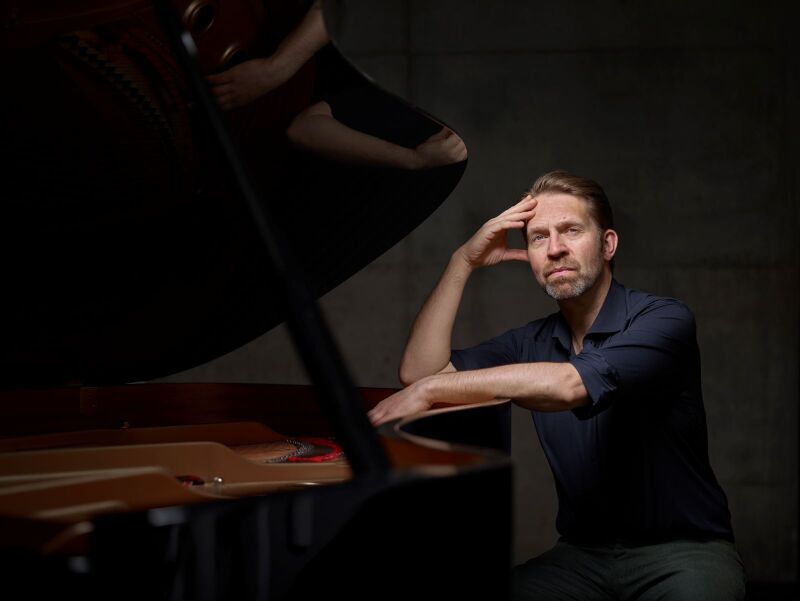
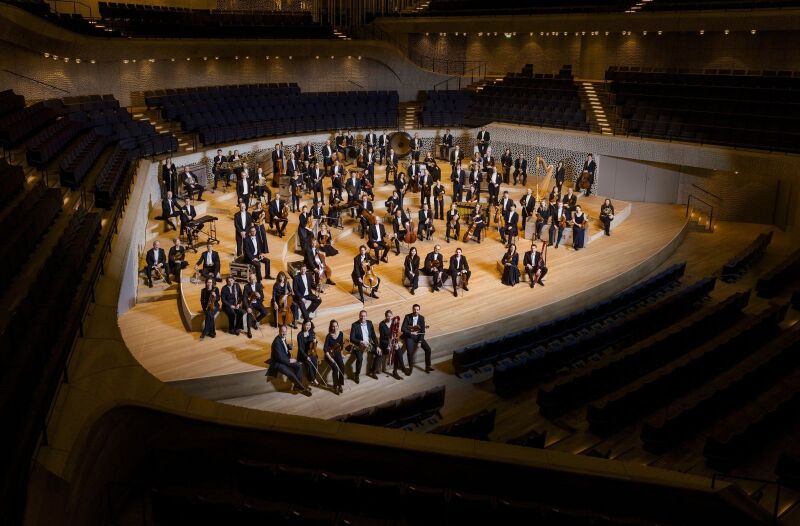
Alan Gilbert | Leif Ove Andsnes | NDR Elbphilharmonie Orchester
A leading symphony ensemble in Northern Germany, the resident orchestra of the Elbphilharmonie in Hamburg is the shaper not only of the profile of a great concert venue, but also of today’s classical music scene thanks to the internationally...
More info
© 2026
Müpa Budapest Nonprofit Ltd. // The organizers reserve the right to make changes.