


Those who follow contemporary literature from a distance often assume that an award brings not only widespread professional recognition to the winner, but significant financial success as well. Although there are indeed a great many state and privately initiated awards in Hungary, one that stands out is the Margó Prize, established in 2015 and awarded annually to the author of the best debut book of prose.
A distinctive feature of this award, which comes with a prize of one million forints, is that it is open both to emerging writers and to artists who may already have gained recognition in other genres but are still considered ‘beginners’ in the field of prose. But what exactly does the Margó Prize guarantee? What professional successes have its winners achieved, and to what extent does winning it ensure smooth sailing in a literary career?
The prize was first awarded to Benedek Totth, best known previously as a translator of literature, for his novel Holtverseny (Dead Heat). The book’s protagonist is a talented young swimmer whose life is defined by gruelling training sessions and acts that descend into unbridled violence. A professional and popular success at home, Dead Heat has been translated into several languages and adapted into an award-winning monodrama.
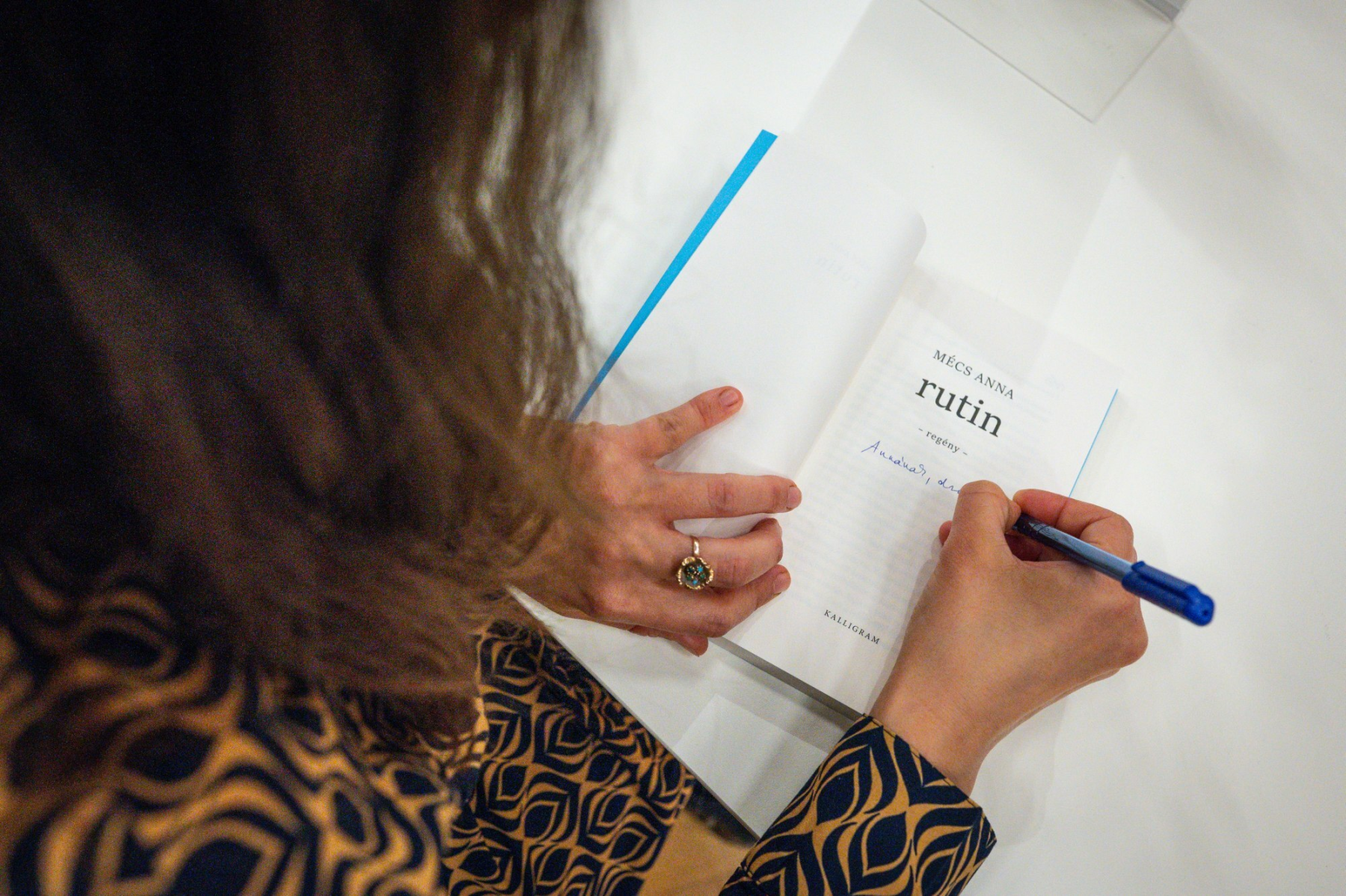 Anna Mécs, winner of the Margó Prize 2018 signing her latest novel in 2025 © Dániel Alföldi, Müpa
A literary historian specializing in the 19th century, Róbert Milbacher won the Margó Prize in 2016 for his novel Szűz Mária jegyese (The Virgin Mary’s Fiancé). Since his literary debut, he has written five novels and even a children’s book.
In 2017, Mátyás Szöllősi took home the award for his debut novel, Váltóáram (Alternating Current). Starting out as a poet, he also writes plays and works as a photojournalist. His prose has been translated into several languages, and he now has three novels under his belt; the most recent, Fóbia, came out in 2024.
In her 2018 winning collection of short stories, Gyerekzár (Child Lock), Anna Mécs unpicks the existential anxieties girls and women of various ages experience as they navigate family, relationships, self-fulfilment and work. Her latest novel, Rutin (Routine), also explores a female-centred subject matter, examining the life-changing process of becoming a mother.
Every Margó Prize since 2018, save for two, has been won by a female author, which makes it one of the contemporary Hungarian literary awards that honours the most female authors. One of the two exceptions is the 2019 winner, Boldizsár Fehér. The narrator of his humorous adventure story, Vak majom (Blind Monkey), is a young man who, until recently, was the richest man in Hungary, but is now forced to flee from the police penniless.
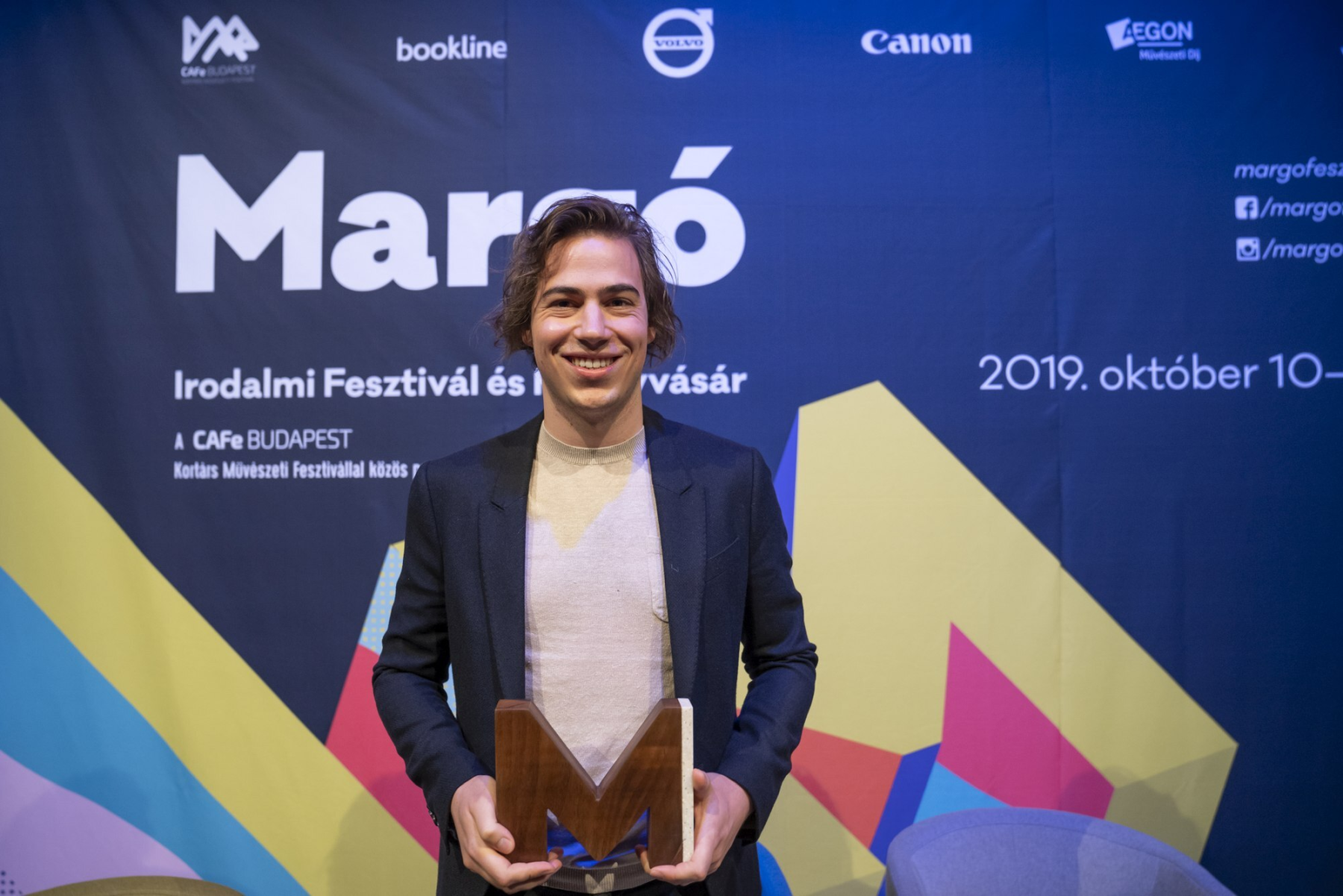 The 2019 winner: Boldizsár Fehér © Gábor Valuska
Winning the 2020 prize with Évszakhoz képest hűvösebb (Unseasonally Chilly), Anita Harag is one of the most original voices of her generation, She has remained committed to the short-story form: published three years after her first collection, Valakire mindig gondolni kell (You Always Have to Think of Someone) also builds a world out of short stories.
With Mély levegő (Deep Breath), Rita Halász showed what it is like to burst onto the contemporary literary scene. The novel that won the 2021 prize chronicles a crumbling marriage and an abusive relationship, with the female protagonist attempting to (re)discover herself. With her second book, Betonba hímezve (Embroidered in Concrete), published this year, the successful art historian has every reason to add ‘novelist’ to her CV.
Like Róbert Milbacher, Diána Vonnák is an academic-turned-author, who keeps the anthropologist’s glasses on as she writes. The protagonists of Látlak (I Can See You), the short story collection that won the 2022 Margó Prize, face the same difficulties when trying to connect with one another, regardless of where they live in the world.
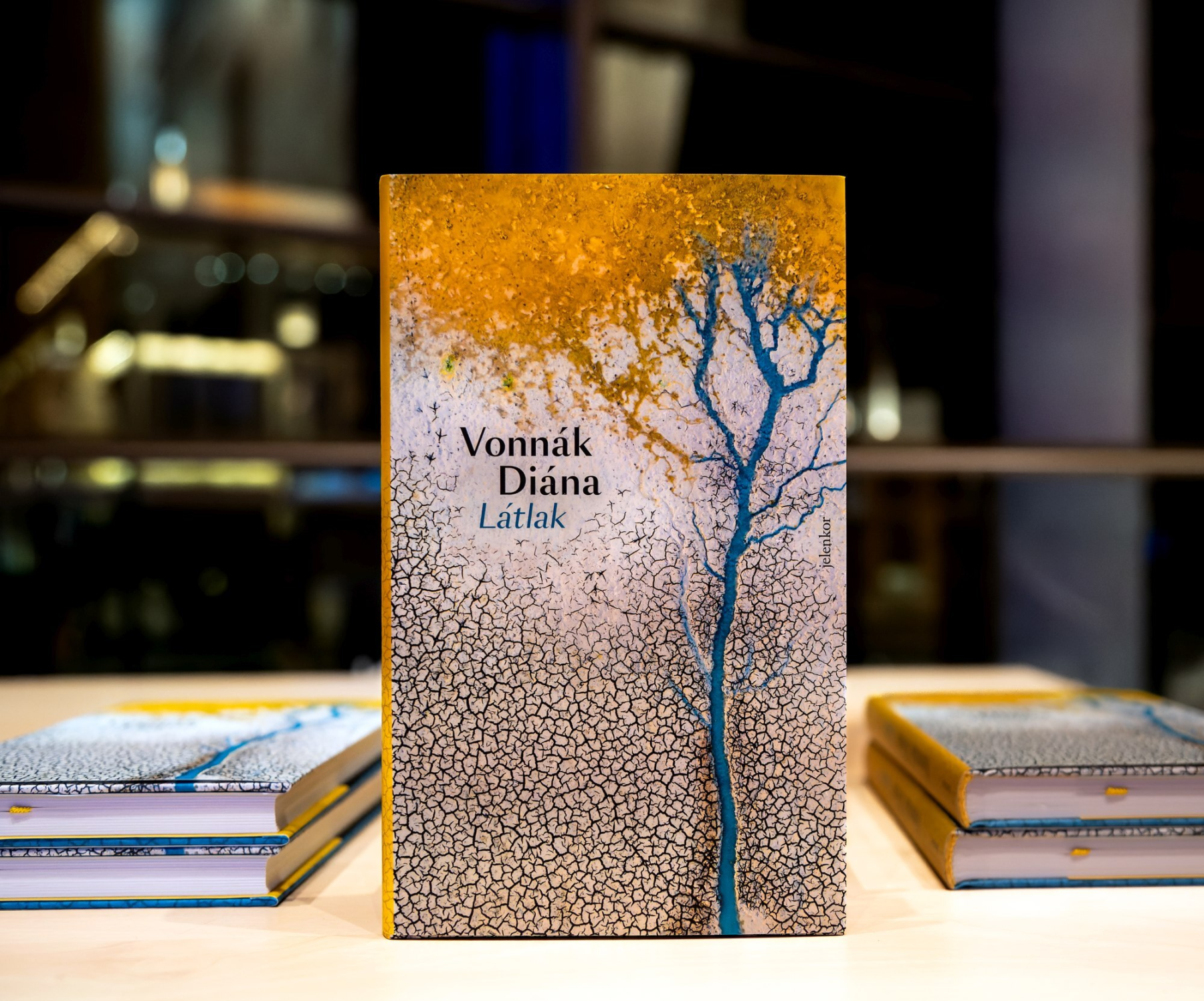 The best debute prose of 2022 was Diána Vonnák's Látlak © Andrea Felvégi, Müpa
In 2023, András Visky broke the streak of female winners with his novel Kitelepítés (Deportation). In the midst of a productive and internationally successful career as a poet, playwright and publisher, Visky turned to prose to recount, in his first novel, the story of his family’s deportation to the Romanian gulag after the 1956 revolution. Through the eyes of the youngest child, everyday life in a Romanian labour camp, established and run on the Soviet model, unfolds. The novel has enjoyed considerable international success: it became a bestseller in Austria and won the German International Literary Prize this year. Illegalisták (Illegalists), which can be seen as a sequel to the novel, was published this year.
Lili Kemény’s autobiographical novel Nem (No) was the biggest literary sensation of 2024 and earned its author the Margó Prize; by consciously playing with the fashionable genre of autofiction, it chronicles the life story of a young woman. The narrator of Nem is pitiless—with herself, above all else. Taking an admittedly biased look at the author’s own social circle, her nationally renowned family and the events of cultural and public life over the past fifteen years, the book received both high praise and harsh criticism.
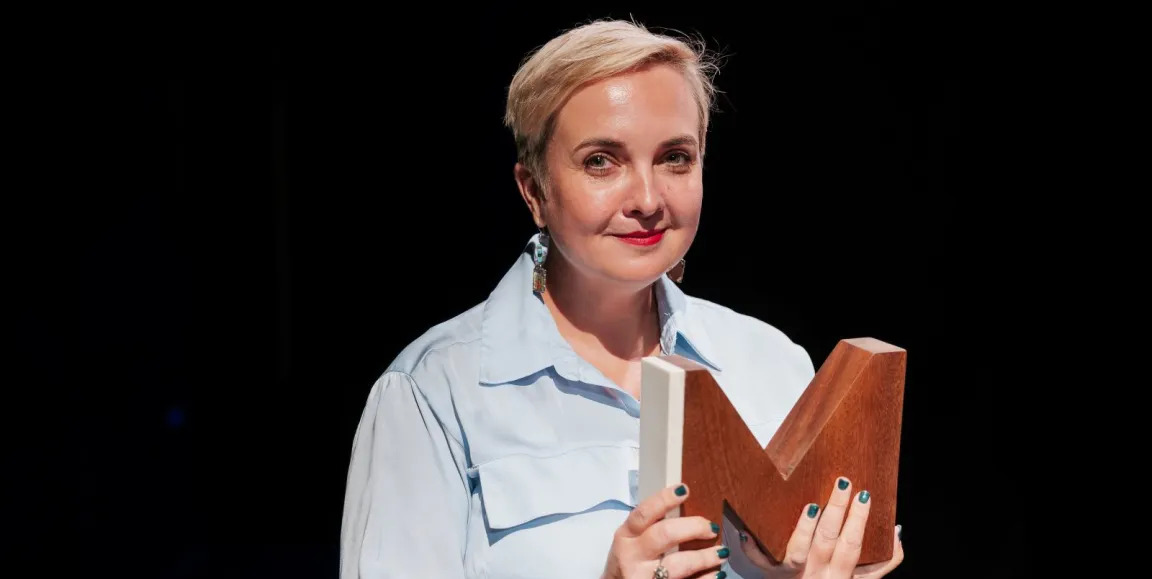
Marcsi Tóth was a surprise winner last year, because although she had previously published writings in magazines, she began her writing career relatively late, and Erdő van idebenn (There’s a Forest Inside) is her first published book. The short stories in her collection come together to form a novel with a distinctive atmosphere, centred on a village steeped in superstition and foreboding, whose inhabitants may seem strangely familiar to us from Hungary’s recent past.
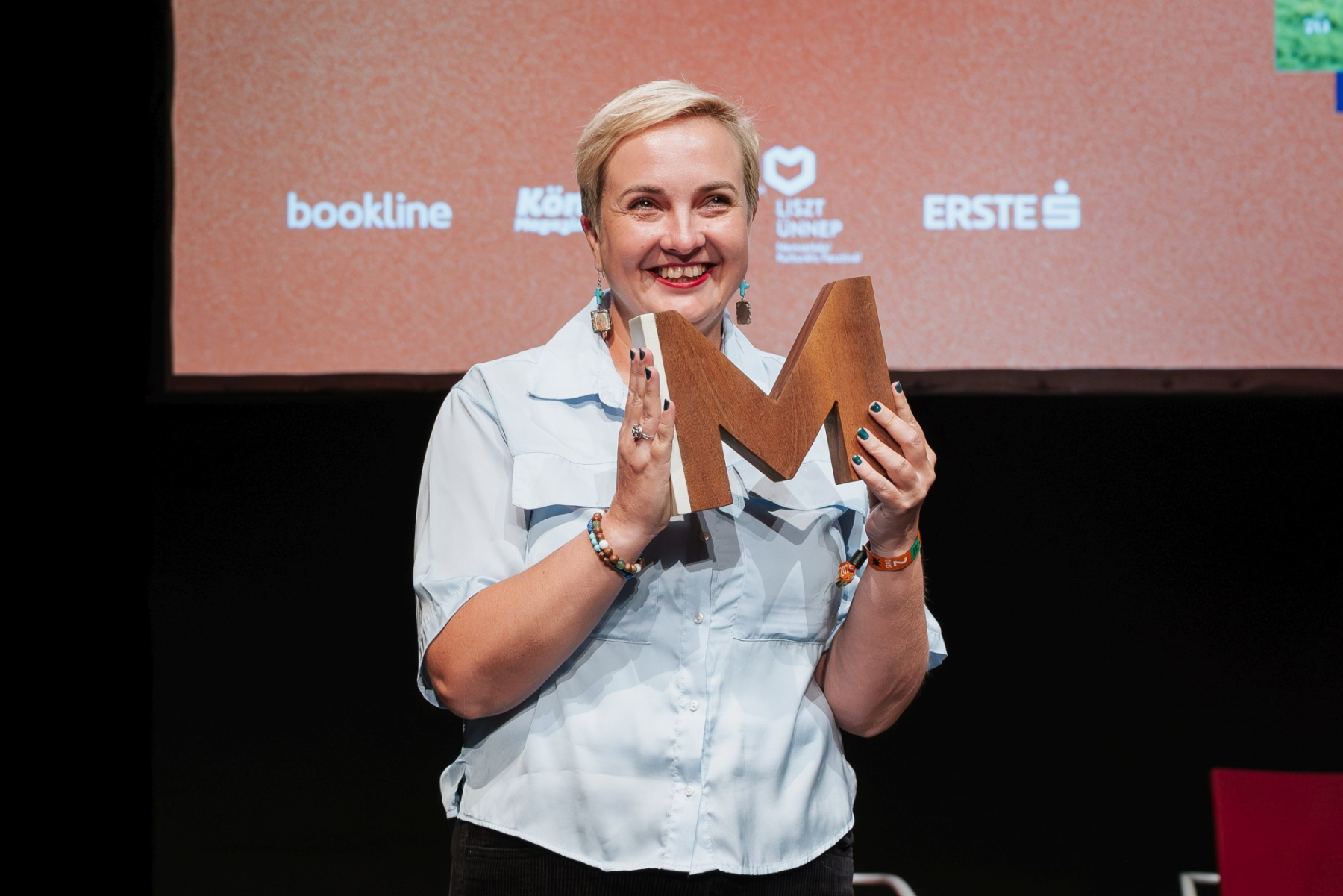 Last year's winner, Marcsi Tóth will tell about her life since winning on a stand alone evening programme © Attila Nagy , Müpa
As you can see, although the Margó Prize is awarded for the best debut collection of prose, it is distinctly democratic in that it offers a springboard for both emerging writers and established authors. This year’s winner will be announced on 15 October.
Lead photo: Attila Nagy, Müpa