


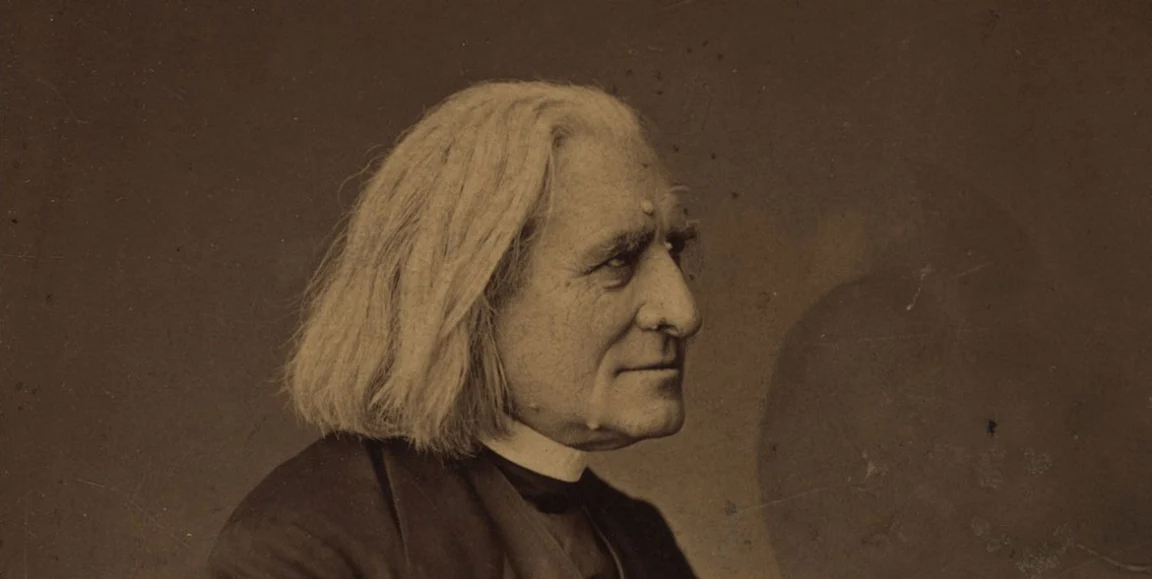
Liszt, the Globetrotter
For Franz Liszt travelling was more than a mere activity, it was a defining element of his identity. Packing up and being jolted about on long journeys were a constant part of his daily life, so it is fair to ask: where was the home that balanced all this out for him?
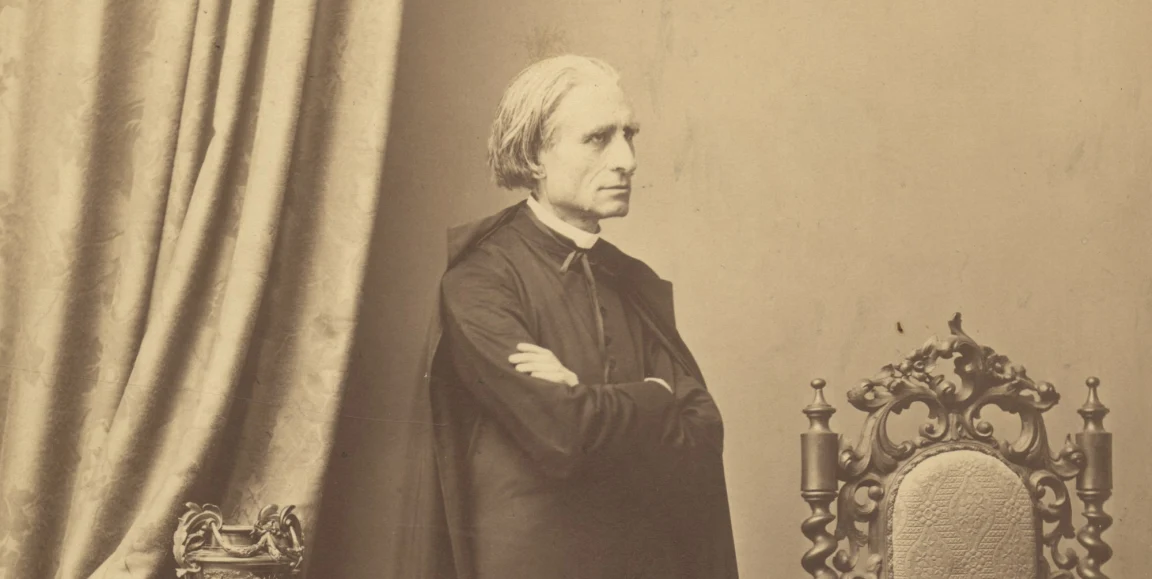
Hail Mary!
It so happens that several Marys came to play a prominent role in the composer’s life. While the most important part, in my view, was played by the above-mentioned Virgin Mary, no small roles were also taken by Marie d’Agoult, the mother of the composer’s children, and Marie, the daughter of Princess Carolyne zu Sayn-Wittgenstein, another important companion in his life.



Liszt, the Experimental Composer
Franz Liszt was an experimental artist ahead of his time who sought new paths in music: he boldly experimented with sounds, forms and musical boundaries, and his solutions would seem innovative even decades later. The Liszt Fest evokes the same spirit of curiosity, the search for new paths and the crossing of boundaries.


The City where Liszt Truly Became a Great Composer
Weimar, the city of Goethe and Schiller, held special significance in Franz Liszt’s life, a place where he always found peace. We examine its role in light of an October concert at Liszt Fest.


The Faces of Liszt: Liszt and the Sacred
Franz Liszt wanted to become a priest from a very young age, but his father, Adam Liszt, envisioned a different career for him, even though he himself had considered a religious vocation and had been a novice in the Franciscan monastery in Malacky (Malatzka), only to leave the order before taking his vows.


The Faces of Liszt: Liszt, the Virtuoso
You don’t need to be particularly well versed in music history to have heard of Franz Liszt. Like every virtuoso, Franz Liszt was often accused of using his performing skills to show off his own greatness rather than that of the work.


The Faces of Liszt: Liszt, the Rock Star of His Age
Franz Liszt is not the first name that springs to mind when we hear the expression “rock star,” and yet there is a consensus among music historians that no one enjoyed a euphoric fan cult that came close to his – and so Liszt can rightly be called the rock star of his age.


From Chrysalis to Butterfly – Liszt’s Second Opera in Budapest
No one has dared to deciphered the only surviving act of Liszt’s opera, Sardanapalo before them. A world première 130 years after the composer’s death; the discovery and reconstruction of a priceless 111-page manuscript: all the details are here.